
New research exposes hidden relationship between Jesus and John the Baptist (D.M Murdock)
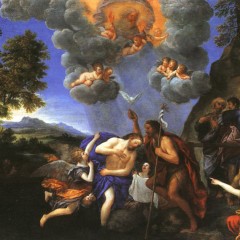
The biblical story of Jesus Christ and the mysterious John the Baptist has fascinated millions of people for nearly 2,000 years. The tale also has mystified scholars because of its supernatural and mystical peculiarities, including the motif of God the Father’s booming voice from heaven and a magical white dove descending upon the baptized Christ. Like Jesus and his immediate disciples, John the Baptist is missing from the contemporary historical record, and the evidence points to him as a mythical archetype, not a historical person. This “mythicist” view allows for the unraveling of the mysteries surrounding this strange figure and his relationship to Jesus as depicted in the New Testament and elsewhere. By D.M Murdock (aka Acharya S) John is called not only “Baptist” for his role in purifying Christ but also the “Forerunner,” as he preceded Jesus in time and importance, setting the stage for the coming messiah. In this role, it turns out, the Baptist/Purifier/Forerunner is not unique; nor is his use of water to impart righteousness and holiness. Oannes the Water God Indeed, in the very region where the Baptist was said to thrive and where post-Christian sects revered him more than Jesus, east of the Jordan into Mesopotamia, there was worshipped for thousands of years a water god called by various names, including Ea, Adapa and Uanna. In fact, the Greek rendering of the aqueous Sumero-Babylonian god Uanna, Oannes (Ὡάννης), is essentially the same as Ioannes (Ἰωάννης) or “John” in the Greek of the New Testament. This ancient Babylonian deity had been discussed in some detail by the priest Berosus in the third century BCE, reflecting his continued importance to the people of what is now Iraq, as Oannes was said to have emerged from the Persian Gulf there many thousands of years ago to bring civilization. Oannes’s role as water god is an indication also of his solar nature, as his emergence from the sea occurred at sunrise on a daily basis. This solar nature is important to keep in mind as we discuss the later aquatic figure of Ioannes/John the Baptist. Mandeans and Nasoreans Mesopotamian peoples thus were fervent Oannes devotees for many centuries, into the common era, when their devotion was Christianized, and they became known as “Mandaean Christians,” from the Babylonian-Aramaic term mndaya, meaning “gnostic.” As the Catholic Encyclopedia says of the Mandaeans/Mandeans, also known as “Nasoraeans“: Another name also found in their sacred books is that of Sabians (sbya) which means Baptists (sb‘ to baptize in Syriac and Aramaic)…. It is based on the prominence of frequentbaptism in their religious discipline and hence they are no doubt referred to by the Fathers as Hemerobaptists‘emerobaptístai i.e. practising daily baptism…. The name, however, most frequently used in their...
Το Newsbeast για τον Μυθικισμό στην Ελλάδα
Σήμερα Κυριακή 19 Οκτωβρίου του 2014, η δημοφιλής ενημερωτική ιστοσελίδα newsbeast.gr δημοσίευσε ένα εκτενές αφιέρωμα στο εγχώριο Μυθικιστικό ρεύμα του 21ου αιώνα. Το ρεπορτάζ της δημοσιογράφου Νίκης Παπάζογλου παρουσιάζει τις απόψεις των ερευνητών Χαρίτας Μήνη, Ιωάννη Μπουσίου, Μηνά Παπαγεωργίου και Αποστόλη Λυμπερίδη, μέσα από τις οποίες σκιαγραφούνται οι παλαιότερες αλλά και οι νεότερες αναζητήσεις συμπατριωτών μας πάνω στο ζήτημα της ιστορικότητας του Ιησού και των ομοιοτήτων που παρουσιάζουν οι ευαγγελικές εξιστορήσεις με άλλες προχριστιανικές παραδόσεις. Είναι ιδιαίτερα σημαντικό το γεγονός ότι μεγάλα mainstream Μέσα έχουν τη διάθεση να προβάλλουν το ρεύμα του Μυθικισμού και των άκρως ενδιαφέροντων πτυχών του, γνωστοποιώντας ακόμη περισσότερο το συγκεκριμένο ερευνητικό πεδίο στο ελληνικό κοινό. Μπορείτε να διαβάσετε ολόκληρο το ρεπορτάζ του Newsbeast πατώντας...
Η Μυθικιστική έρευνα του Michael Paulkovich γίνεται viral
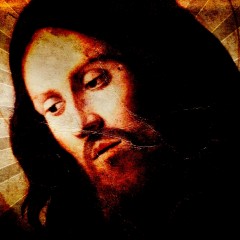
Τα τελευταία χρόνια οι Μυθικιστικές ιδέες και προτάγματα για την ιστορικότητα του Ιησού αρχίζουν και γίνονται δειλά δειλά περισσότερο γνωστά στη χώρα μας. Στο γεγονός αυτό συντελεί η απελευθέρωση της πληροφορίας μέσα από την εξάπλωση του διαδικτύου, που δίνει τη δυνατότητα στους χρήστες να δημιουργήσουν τα δικά τους δίκτυα επικοινωνίας. Παρ’ όλα αυτά, υπάρχουν περιπτώσεις όπου ακόμη και τα λεγόμενα “συμβατικά” ΜΜΕ προβάλλουν τέτοιου είδους απόψεις, οι οποίες αν μη τι άλλο προκαλούν το ενδιαφέρον του κοινού. Σήμερα, 1 Οκτωβρίου, ελληνικές ιστοσελίδες όπως εκείνες του “Έθνους” και του “News247” αναδημοσίευσαν την είδηση του Inquisitr αναφορικά με την έρευνα του ιστορικού ερευνητή Michael Paulkovich για την ιστορικότητα του Ιησού. Το δημοσίευμα γράφτηκε με αφορμή άρθρο του συγγραφέα που αναρτήθηκε στην ιστοσελίδα του Βρετανού Μυθικιστή Kenneth Humpheys και βασίστηκε στο βιβλίο του ίδιου του Paulkovich με τίτλο No Meek Messiah: Christianity’s Lies, Laws and Legacy. Στο πλαίσιο της έρευνας που πραγματοποίησε, μελέτησε το έργο συνολικά 126 συγγραφέων που έζησαν κατά την εποχή ή λίγο αργότερα από τη χρονική περίοδο που τα ευαγγέλια τοποθετούν τη ζωή και δράση του Ιησού. Ο Paulkovich δεν βρήκε την παραμικρή αναφορά στον Ιησού, με εξαίρεση φυσικά τις αποδεδειγμένες πλαστογραφήσεις και εμβόλιμες αναφορές των χριστιανών από τα χρόνια του Ευσέβιου (4ος μεταχριστιανικός αιώνας).«Ο Ιησούς από τη Ναζαρέτ δεν ήταν τίποτε περισσότερο από έναν αστικό μύθο ή καλύτερα της ερήμου)», καταλήγει χαρακτηριστικά ο συγγραφέας. Παρακάτω παραθέτουμε τον αναλυτικό κατάλογο των 126 συγγραφέων που… σιωπούν (κάντε κλικ στην εικόνα): Για τους Έλληνες Μυθικιστές το έργο του Michael Paulkovich αποτελεί απλά ένα ακόμη λιθαράκι το οποίο εντάσσεται στον καταιγισμό των συγγραφικών έργων που παρουσιάζονται τις τελευταίες δεκαετίες επί του θέματος. Γεγονός είναι πως το σημαντικότερο Μυθικιστικό έργο που έχει εκδοθεί την τελευταία 4ετία αποτελεί δίχως αμφιβολία το “On the Historicity of Jesus” του Dr. Richard Carrier, που κυκλοφόρησαν φέτος το καλοκαίρι οι ακαδημαϊκές εκδόσεις Sheffield Phoenix. Έλληνες Μυθικιστές,...
Newly discovered ancient Christian magical spell reveals Egyptian influence (by D.M Murdock)
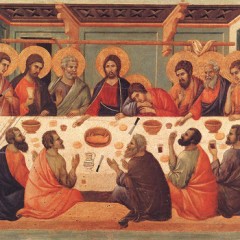
Newly discovered ancient Christian magical spell reveals Egyptian influence (by D.M Murdock/ Acharya S) An ancient Christian magical spell or charm from the sixth century has been found in an old papyrus manuscript housed at the John Rylands Library in Manchester, England. The discoverer, Dr. Roberta Mazza, believes the Greek charm, originally unearthed in Egypt, was part of an amulet to be worn or carried as protection, as reported by Phys.org: The remarkable document uniquely contains some of the earliest documented references to the Last Supper and ‘manna from heaven’. It is the earliest surviving document to use the Christian Eucharist liturgy – which outlines the Last Supper – as a protective charm…. It shows how Christians adopted the ancient Egyptian practice of wearing amulets to protect the wearer against dangers. This practice of writing charms on pieces of papyrus was continued by the Christians who replaced the prayers to Egyptian and Greco-Roman gods with extracts from the Bible…. The document had been held at the library since around 1901, but its significance had not been realized until Dr Mazza spotted it. She said: ‘This is an important and unexpected discovery as it’s one of the first recorded documents to use magic in the Christian context and the first charm ever found to refer to the Eucharist – the last supper – as the manna of the Old Testament. The text of the amulet is an original combination of biblical passages including Psalm 78:23-24 and Matthew 26:28-30 among others. ‘To this day, Christians use passages from the bible as protective charms so our amulet marks the start of an important trend in Christianity…. ‘It’s doubly fascinating because the amulet maker clearly knew the Bible, but made lots of mistakes: some words are misspelled and others are in the wrong order. This suggests that he was writing by heart rather than copying it. ‘It’s quite exciting. Thanks to this discovery, we now think that the knowledge of the Bible was more embedded in sixth century AD Egypt than we previously realized.’… The full text of the papyrus: Fear you all who rule over the earth. Know you nations and peoples that Christ is our God. For he spoke and they came to being, he commanded and they were created; he put everything under our feet and delivered us from the wish of our enemies. Our God prepared a sacred table in the desert for the people and gave manna of the new covenant to eat, the Lord’s immortal body and the blood of Christ poured for us in remission of sins. Despite such discoveries demonstrating the relationship between...

O Robert Price “απαντά” (νέο βιβλίο)
Μέσα από τα κείμενα του mythikismos.gr, έχουμε τονίσει πολλές φορές το γεγονός της έξαρσης της κυκλοφορίας συγγραφικών έργων σχετικών με τον Μυθικισμό, αλλά και την υπεράσπιση της ιστορικότητας του Ιησού, τα τελευταία χρόνια στο εξωτερικό. Έχουμε μάλιστα αναφερθεί σε περιπτώσεις έκδοσης βιβλίων που αποτελούν απαντήσεις σε άλλα βιβλία, τα οποία υποστηρίζουν αντίθετες απόψεις. Σε αυτή την τελευταία κατηγορία ανήκει και το νέο βιβλίου του αμερικανού Μυθικιστή και καθηγητή Θεολογίας, Δρ Robert Price, με τίτλο «Killing History: Jesus in the No-Spin Zone». Το τελευταίο αυτό έργο του πολυγραφότατου Price, κυκλοφορεί εδώ και μερικά 24ωρα (από τις 2 Σεπτεμβρίου) από τις ποιοτικές εκδόσεις Prometheus Books, αποτελώντας μία κριτική στο επιτυχημένο εμπορικά «Killing Jesus» των Bill O’ Reilly και Martin Dugard, που εκδόθηκε τον προηγούμενο Σεπτέμβρη (2013) από τις εκδόσεις Henry Holt and Co, τασσόμενο υπέρ της ιστορικότητας του Ιησού. Στο «Killing History», ο Price χαρακτηρίζει το βιβλίο των Reilly και Dugard ως «χριστιανικό ιστορικό θρίλερ», που επιλέγει να αγνοεί τα ιστορικά στοιχεία και την πρόοδο της έρευνας πάνω στην ιστορική αξιοπιστία της Καινής Διαθήκης τον τελευταίο αιώνα. ...